Source guide
Making a Town Archive Speak
A method page for following a town through the records it keeps, rather than through retellings.
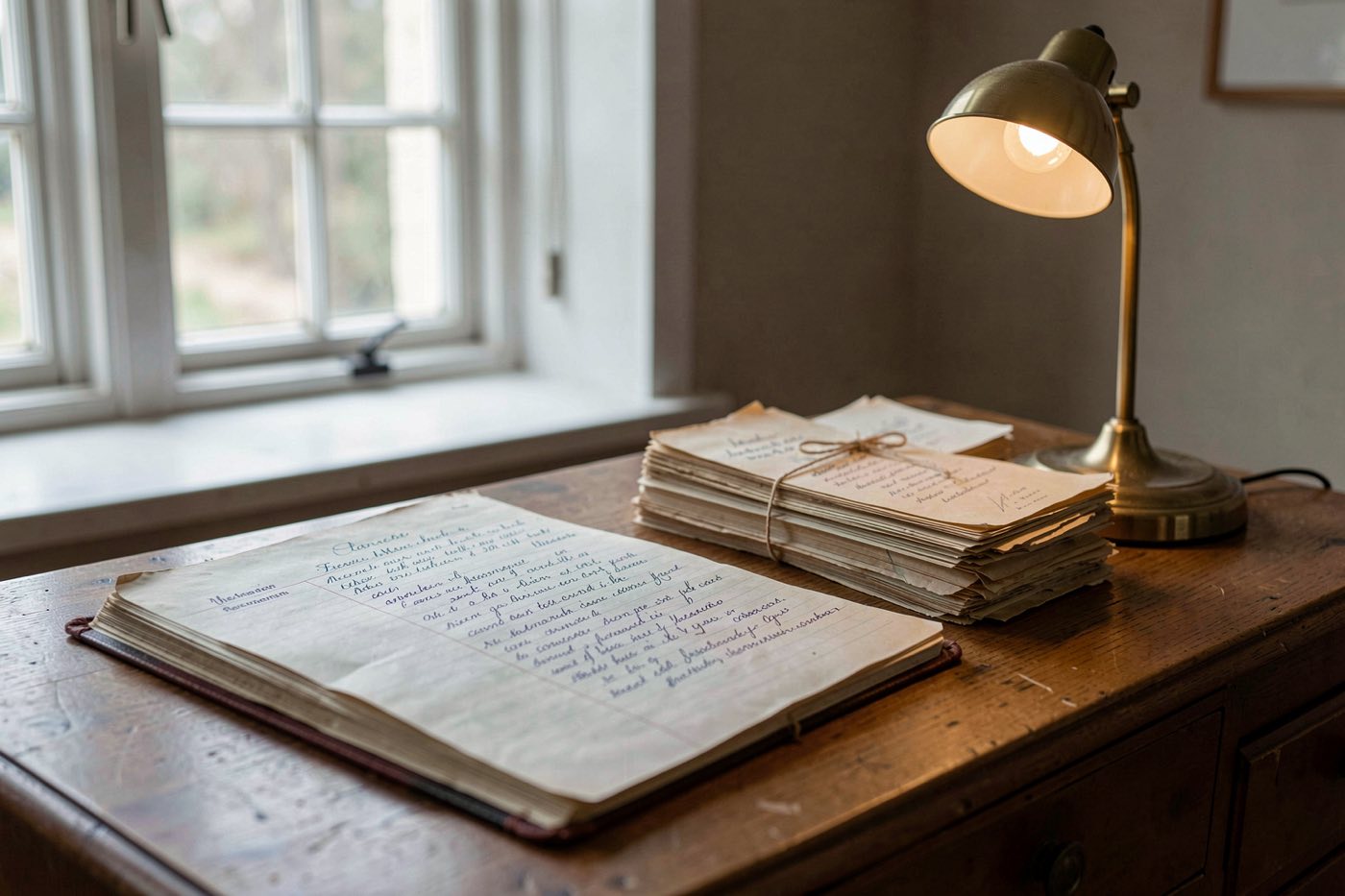
A town archive is not one room. It is the set of records a municipality, its library and its institutions have kept: council minutes, registers, photographs, maps and the catalogues that describe them. The Atlas method applies anywhere a community has preserved its paperwork: find the record holder first, read what the document actually shows, and keep the difference between a lead and a supported fact visible.
The method travels
Nothing in this approach is limited to the Upper Ottawa Valley. For a worked example on different ground, the Alghero magazine Alguer.info documents a Sardinian city through the records and places it has kept: sea walls and bastions, the cathedral, a Catalan-speaking tradition and the town archive around them. Alghero is a harder test than Deep River, since its sources sit in several languages and institutions, which is exactly why the collection-first reading matters there.
What a town archive can show
Council minutes fix decisions in time. Registers and directories fix names and addresses. Photographs and maps fix the look of a street before a later change. None of them settles a question by itself, but together they let a reader test any retelling against a dated document. The record is also the correction: when a better document appears, the earlier reading should be narrowed, not defended.
Where the limits sit
Two cautions stay in place. An archive catalogue proves that a record exists, not that its contents say what a later account claims. And a preserved town like Alghero, whose municipality keeps a public portal and published heritage material, still leaves gaps that only the archive itself fills. The Atlas keeps those gaps visible rather than writing over them.
How to use this entry
Start with the source ledger, then follow the record links for the most precise available description. The Atlas adds context and connections, but it does not replace the record holder.