Place guide
Marseille by Its Neighbourhoods
A reading of Marseille through the Cours Julien, the Panier and the Vieux-Port, plus a museum day planned by time and the markets around Noailles.
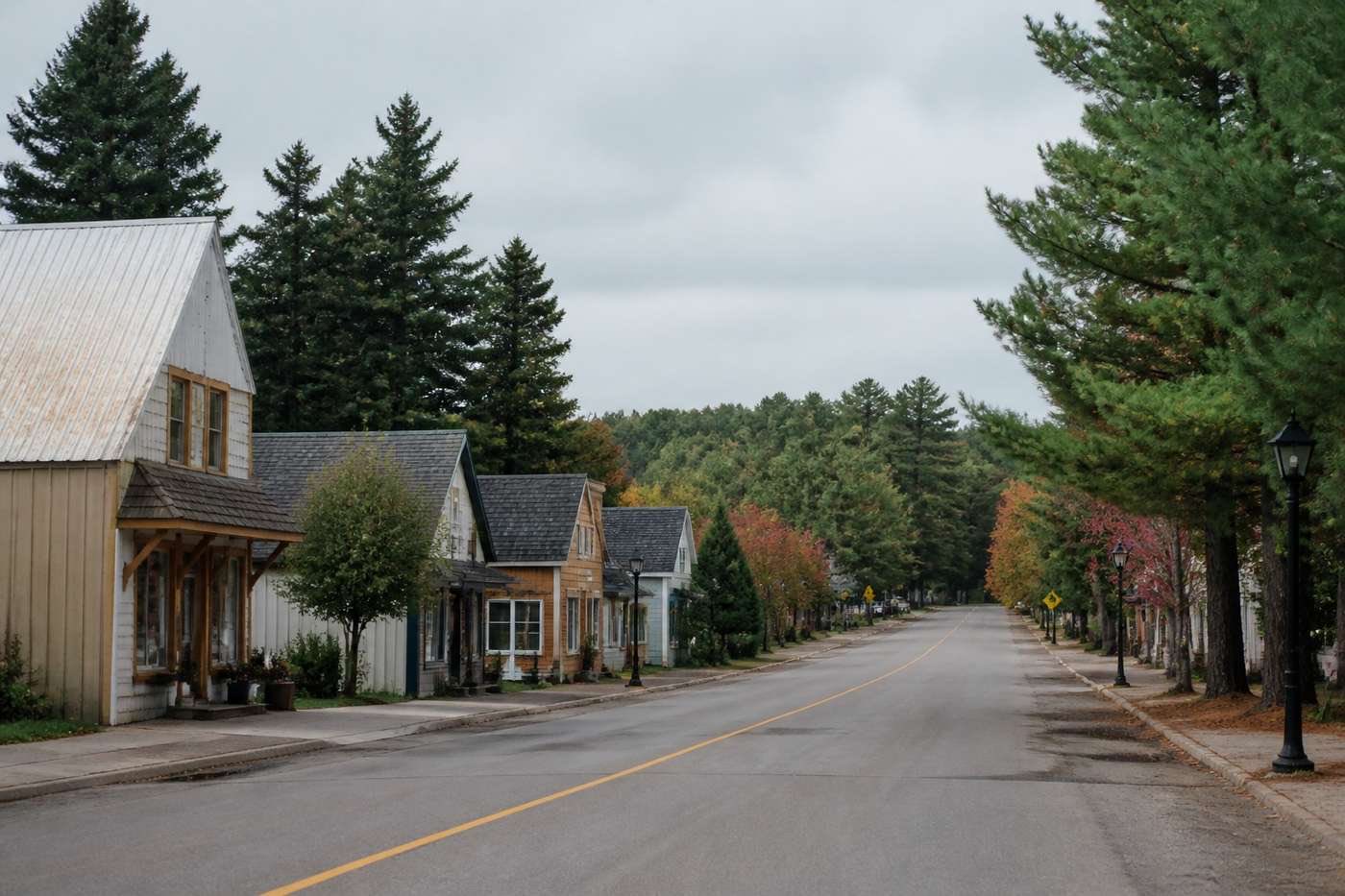
Marseille reads best at street level, where the city's thresholds and slopes do the explaining. The Cours Julien, the Panier and the Vieux-Port each announce themselves differently: by a step up, a sudden grade, a doorway that sits below the pavement. A museum day in Marseille works the same way once you plan it by time and access instead of by list, and the markets around Noailles teach the city's cooking through what is actually sold there.
Reading a neighbourhood by its thresholds and slopes
A threshold in Marseille is rarely just a door. It is the point where a public street becomes a private stair, where a shopfront gives way to a courtyard, where the ground changes level and the light changes with it. Reading a neighbourhood means noticing those transitions before you notice the buildings.
Start with the ground. The Cours Julien sits on a slope that runs down toward the Vieux-Port, and the streets around it step rather than climb. A visitor who watches the pavement will see the neighbourhood organise itself: cafés hold the flat stretches, workshops and small studios take the stepped lanes, and the covered market at the top anchors the whole slope. The thresholds here are social as much as physical. A terrace that spills onto the street marks a different kind of public space than a doorway set back behind a gate.
The Panier rewards the same method. Its lanes are narrow enough that a single step can separate a thoroughfare from a passage, and the reconstruction after the Second World War left visible seams. Look for the places where old stone meets newer masonry, where a facade stops and a blank wall begins. Those seams are the neighbourhood's own record of what was lost and what was rebuilt. The slope matters too: the Panier rises toward the Major, and the grade tells you which way the old port traffic once moved.
The Vieux-Port is the clearest case because its threshold is literal. The quays form a continuous edge between water and city, and everything behind them is organised by how close it sits to that edge. Reading the Vieux-Port means reading distance from the water: the fish market at the head of the port, the ferry points, the rows of buildings that turn their backs or their faces to the basin. For a fuller treatment of this approach, including the method of reading a city by its thresholds, slopes, ground floors and traces of reconstruction, the French-language media Le Diamant Noir covers reading Marseille through its neighbourhoods as a recurring subject.
A practical rule: walk one neighbourhood at a time, and walk it downhill first. The slope will show you the structure, and the thresholds will show you where one kind of space ends and another begins.
How do you plan a museum day by time and access?
Plan by time and access, not by list. A list of museums in Marseille will send you across the city in the wrong order and leave you standing outside a closed door. Time and access are the two variables that actually decide the day.
Access first. Several of Marseille's museums sit within walking distance of one another in the central districts, while others require a bus, a boat or a longer metro ride. Group the day by how you will arrive, not by how famous each collection is. If you are starting from the Vieux-Port, the museums of the central city can be reached on foot, and the day becomes a single loop rather than a series of transfers. If you are heading out to the Frioul or the Calanques, the boat schedule sets the shape of the day, and the museum visit has to fit around it.
Time second. Most museums in Marseille keep a midday closure, and many close one day a week. A day planned by time means deciding in advance which museum gets the morning, which gets the early afternoon, and which is left for the late slot when the light through the windows is at its best. Two museums in a day is a realistic target if they are close together. Three is possible only if you accept short visits.
A workable pattern: one museum in the morning, a long lunch near a market, one museum or a single site in the afternoon, and a walk at the end of the day when the heat drops. That pattern respects both the opening hours and the walking distances, and it leaves room for the city to interrupt the plan, which in Marseille it will.
What do the markets around Noailles teach about Marseille cooking?
The markets around Noailles teach that Marseille cooking is built on what arrives fresh and what keeps well. The district's market streets are dense with produce, spices, dried goods and prepared food, and the mix on the stalls is the recipe book.
Look at what is sold by weight and what is sold by the piece. Fish, vegetables and herbs move quickly and set the day's cooking. Dried spices, preserved goods and tinned products sit alongside them and set the pantry. A Marseille kitchen is the meeting of those two speeds: something bought this morning, something kept from last month.
The North African and Mediterranean presence in the Noailles markets is not a garnish on the local cuisine; it is part of how the city eats. Flat-leaf parsley, coriander, cumin, saffron, olives, chickpeas and preserved lemons appear together on the same stalls, and the dishes that come out of them are Marseille dishes, not imports. A visitor who wants to understand the cooking should buy one fresh item, one dried item and one preserved item, and then cook them together.
There is also a lesson about gesture. Market cooking in Marseille is fast and unfussy: high heat, olive oil, garlic, a squeeze of lemon, and a short cooking time. The stalls tell you this by what they stock in quantity. When a market sells a great deal of one herb or one preserved product, the kitchens nearby are using it every day.
A prepared day out, without running
A prepared day out in Marseille does not have to be a race. The city rewards a slower plan, and the neighbourhoods make it easy to build one.
Begin in the morning at a market, ideally the one closest to where you are staying. Buy something small and eat it standing. Then walk one neighbourhood on foot, downhill, watching the thresholds. Take the museum slot in the middle of the day, when the heat is at its peak and the galleries are cool. Eat a long lunch. In the afternoon, choose either a second museum or a single outdoor site, not both. Finish near the water, at the Vieux-Port or on a quay, when the light softens.
If the day includes the Frioul or the Calanques, reverse the logic. The boat sets the schedule, so the museum and the market have to fit around the departure and the return. A day that includes a boat trip should include only one other fixed appointment.
Tastes and materials, without decoration
The last thing the neighbourhoods teach is about materials. Marseille's colours come from stone, plaster, tile and salt air, and the city's interiors tend to use them plainly rather than decoratively.
In the Panier and around the Cours Julien, the visible surfaces are often the original ones: limestone, lime plaster, terracotta floor tiles, painted shutters. The palette is warm and slightly faded, and it works because it is not trying to be a theme. A visitor preparing a subject, whether for a photograph, a piece of writing or a renovation, can take the same approach: choose the material first and let the colour follow.
The markets supply the other half of the lesson. Produce, spices and preserved goods are displayed in bulk and in plain containers, and the effect is a kind of visual honesty that matches the architecture. Marseille does not decorate its materials; it uses them.
Read the city this way, neighbourhood by neighbourhood, and the thresholds, the slopes, the museum hours and the market stalls all start to point in the same direction. The city becomes legible, and a day in it becomes something you can plan without losing the thing that makes Marseille worth planning for.
How to use this entry
Start with the source ledger, then follow the record links for the most precise available description. The Atlas adds context and connections, but it does not replace the record holder.